
The Most Dangerous Move in Real Estate Isn’t What You Think: A Lesson from Charlie Munger
It wasn’t the markets.
It wasn’t inflation.
It wasn’t poor asset selection.
It was leverage.
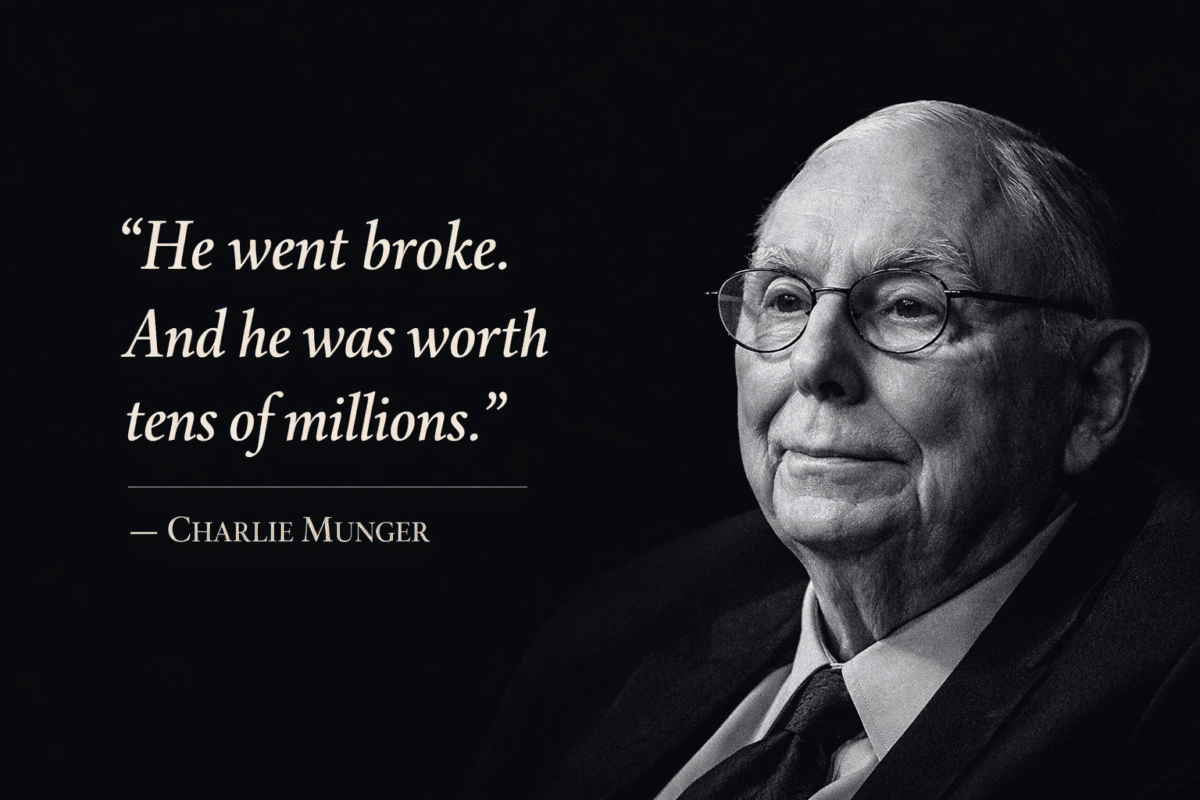
“He went broke. And he was worth tens of millions.” – Charlie Munger
The Most Dangerous Risk in Real Estate Investing
Real estate investors love to talk about cash flow, appreciation, and tax advantages. But the real risk — the one that quietly ruins portfolios — is leverage used improperly.
At Sunrise Capital Investors, we’ve seen this firsthand watching other operators. Some stretch to hit IRR targets. Others bet big on aggressive loan terms.
In an upmarket, that works — until it doesn’t.
Leverage Isn’t Bad — But It Can Be Lethal
Leverage magnifies both gains and losses. Used prudently, it’s a powerful tool. But misuse it — and a short-term downturn can wipe out years of compounding.
This is especially true with:
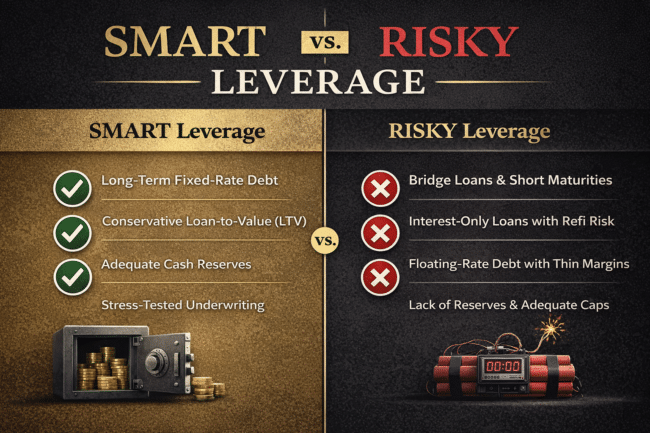
- Bridge loans with short maturities
- Interest-only loans with high refi risk
- Floating-rate debt without adequate caps or reserves
Even good assets can get caught in bad capital structures. That’s not speculation — that’s reality in today’s cycle.
What We’ve Learned from 20+ Years of Investing
At Sunrise, we avoid high-leverage bets for one reason: durability wins.
That means:
- ✅ Moderate leverage
- ✅ Long-term fixed-rate debt
- ✅ Reserves to weather volatility
- ✅ Focus on operational excellence over financial engineering
The best portfolios aren’t built on outsized returns — they’re built to survive market cycles.
The Charlie Munger Takeaway
The lesson from Munger’s friend?
He didn’t go broke because he was wrong — he went broke because he was leveraged and early.
Don’t make the same mistake.
Final Thought for Investors
If you’re a passive investor evaluating deals, ask this one question:
“How much of this return is built on sound operations vs. financial leverage?”
The answer might tell you everything you need to know.
💬 Want to continue the conversation?
