A decade ago, Kevin Bupp and I ran Sunrise Capital Investors as a lean lifestyle business. There were no huge teams, global workforces, or hundreds of millions in assets under management. It was Kevin and I, finding deals, closing, integrating, and repeating, with some family and friends along the way.
Now, in 2026, we manage over $400M in assets. No capital calls. Zero principal loss. Close to a decade of uninterrupted, on-time distributions. This wasn’t from luck, buying at the bottom, or taking advantage of low rates in 2020. This was achieved through disciplined investing and Sage principles, which took us to nearly the half a billion dollar mark. Today, Kevin is on to help me wind back the clock and share the story of how we did it.
We’re going through all the lessons: How we went from a lifestyle company to an income-producing engine with a global workforce, the core value that’s made the ride so worth it, how our fund structure evolved to get investors the highest true return, and how we made it through the pandemic, interest rate shocks, and learned a new asset class we knew nothing about that in turn made our investors millions.
Sage Wisdom from Today’s Episode:
- How we scaled from a small lifestyle company to a $400M+ AUM business
- Why outsourcing the wrong things as you grow can slow you down, not speed you up
- Making your way through “the fog” when running a small (but quickly scaling) business
- The principles that allowed us to buy, while our competitors were stuck on the sidelines
- The mom-and-pop asset class still years behind other industries that we’re doubling down on
How our fund structure evolved to give investors the greatest benefits possible
—
Chapters
0:00 Intro
01:33 The V1 of Sunrise Capital
04:39 Becoming a True Business
07:36 Enjoy the Ride!
09:49 The “Fund” Evolution
14:31 The “Massive Shift” We Needed to Make
19:38 Growing Fast…Pandemic Hits
25:12 Remote Hiring Changed Everything
27:37 Moving Through “The Fog”
29:15 The “Buying Spree” Begins
35:03 A Massively Underrated Asset
41:46 Surviving the Interest Rate Shock
56:22 Next Goal? $1B AUM
58:29 Kevin’s Sage Principle
Resources Mentioned
Listen to Kevin’s Podcast, Real Estate Investing for Cash Flow
Connect with Kevin on LinkedIn
Lessons That Took Me from a Mobile Home to Millionaire | Ep. 3
Learn more from Brian and listen to past episodes of The Sage Investor
Are you a high net worth investor with capital to deploy in the next 12 months? Build passive income and wealth by investing in real estate projects alongside Brian and his team!
Episode Transcript
In this episode of The Sage Investor, host Brian Spear is joined by his long-time business partner and Chief Investment Officer of Sunrise Capital Investors, Kevin Bupp. Together, they track the decade-long evolution of Sunrise Capital from a lean, deal-to-deal “lifestyle” company into an institutional-grade “performance” business managing over $400 million in assets under management (AUM) in 2026. The primary thesis of the episode explores how staying true to core “Sage principles”—such as strict underwriting discipline, conservative leverage, and nurturing an enduring corporate culture—allows a company to safely scale and protect investor capital through extreme market cycles.
Brian and Kevin break down major operational turning points, including their transition to the Entrepreneurial Operating System (EOS), the core value of “enjoying the ride,” and the decision to bring property management fully in-house as a vertically integrated entity after experiencing the friction of misaligned third-party incentives. They also dive deep into their strategic expansion from mobile home parks into the heavily fragmented parking asset class. Listeners will gain clear, decision-making principles regarding when to pause distributions safely during a macro crisis (like the 2020 pandemic), how going fully remote opens up a borderless talent pool, and why acting as a disciplined “price maker” rather than a “price taker” ensures you have the necessary dry powder to secure institutional “invisible deals” during sudden interest rate shocks. This episode serves as an executive briefing for sophisticated real estate investors and business owners looking to scale intentionally without compromising their risk management boundaries.
Key Takeaways
- Shift from Deal-to-Deal to Building a Company: True scale requires moving past individual transactional mindsets and intentionally investing in infrastructure, systems, and standard operating procedures (SOPs) that allow the business to run independently of its founders.
- Vertical Integration Aligns Incentives: Outsourcing property management in low-margin niches like affordable housing often creates misaligned incentives; bringing operations fully in-house is critical for maintaining performance and executing value-add plans effectively.
- Prioritize Long-Term Survival Over Speed: Maintaining strict underwriting discipline and avoiding aggressive, floating-rate debt structures ensures survival during historic interest rate shocks, ultimately allowing you to buy while over-leveraged competitors sit on the sidelines.
- Unlock Institutional “Invisible Deals” Through Execution: Stepping up to close massive, complex assets when the broader market freezes builds an elite industry reputation, granting exclusive access to off-market, institutional pocket listings.
- Partner Based on Shared Core Values: Building a multi-generational enterprise is a long-term marriage; it demands absolute alignment on core values, mutual trust, and a shared commitment to both financial returns and social impact.
Key Topics Covered
- Scaling a real estate private equity firm from zero to $400M+ AUM
- Transitioning from a lifestyle business to an enterprise performance company
- Implementing the Entrepreneurial Operating System (EOS) and establishing institutional core values
- The structural evolution of real estate funds and balancing LP risk-reward mechanics
- Navigating the operational “fog” of black swan events and macro economic crises
- The competitive advantages of a fully remote corporate workforce and global talent sourcing
- Underwriting discipline: Being a “price maker” vs. a “price taker” in real estate
- The parking asset class: Analyzing fragmented mom-and-pop inefficiencies and covered land plays
- Navigating historic interest rate shocks and eliminating forced liquidity events
Episode Chapters
00:00 Intro
Brian introduces the statistical reality of business failure rates and outlines how Sunrise Capital successfully managed to double four times by constantly overhauling its operating systems to handle scaling complexity.
01:33 The V1 of Sunrise Capital
Kevin joins the conversation to discuss “version one” of the company, remembering when it was just a lean, two-man shop wearing every hat and focusing narrowly on individual deal-to-deal transactions with friends and family capital.
04:39 Becoming a True Business
The founders look back at their 2016–2017 mindset shift, realizing they needed to move away from one-off joint ventures to build a legitimate, long-standing performance business capable of running smoothly even when the founders take a vacation.
07:36 Enjoy the Ride!
Brian and Kevin recall implementing the Entrepreneurial Operating System (EOS) and mapping out their core values—highlighting “enjoying the ride” and putting family first as foundational building blocks for their corporate culture.
09:49 The “Fund” Evolution
The conversation details the iterative shift from deal-specific syndications to fund structures, tracing how LP feedback led to unique fund optimizations like funding queues, permanent buy-and-hold structures, early investor bonus tiers, and sophisticated tax-efficient designs.
14:31 The “Massive Shift” We Needed to Make
Kevin recounts the operational bottleneck of trying to outsource property management to third-party firms, explaining why the low top-line revenue of mobile home park lot rents forced them to build a vertically integrated in-house management company to align incentives.
19:38 Growing Fast…Pandemic Hits
The partners revisit the onset of the 2020 pandemic, describing how they managed localized rent moratoriums and maintained communication with LPs. Brian details the tactical decision to pause distributions for exactly one month to let real-world collection data validate their cash flow stability.
25:12 Remote Hiring Changed Everything
Brian explains how cutting the cord on physical office space allowed Sunrise Capital to build a borderless corporate team, pulling executive-level talent from all over the United States and leveraging international associates to optimize labor costs.
27:37 Moving Through “The Fog”
Brian shares his leadership analogy of navigating a “dense fog,” explaining how to operate conservatively through extreme macro disruptions—drawing parallels between the 2020 pandemic and the modern landscape of AI integration.
29:15 The “Buying Spree” Begins
Kevin reviews the low-interest-rate environment where a massive influx of capital created hyper-competition. He outlines why staying disciplined and refusing to speculatively overpay protected them from the severe over-leveraging that harmed their competitors when the market turned.
35:03 A Massively Underrated Asset
Kevin shares the origin story of how he encountered the parking asset class on his podcast, leading to a meticulous three-year research phase before Sunrise Capital acquired its first lot. Brian highlights the massive mom-and-pop fragmentation, lack of technology, and institutional scale potential within the space.
41:46 Surviving the Interest Rate Shock
Kevin reflects on the generational interest rate hikes of 2022. By steering clear of exotic, floating-rate debt or dangerous rate cap cliffs, Sunrise maintained flawless distributions and preserved the dry powder needed to execute bold down-market acquisitions—such as buying Ridgebrook, a top 1% institutional asset in Indiana.
56:22 Next Goal? $1B AUM.
Looking out into the middle of 2026, the partners map out their strategic blueprint to scale past the $1 billion AUM threshold by continuing to double down on deep, granular expertise within their core mobile home park and parking sectors.
58:29 Kevin’s Sage Principle
Kevin wraps up the episode by sharing his ultimate piece of investment wisdom: build an enterprise with people you genuinely respect, within an industry that delivers both clear financial profits and meaningful social rewards.
Full Transcript
[Transcript begins]
Brian Spear: 22% of new businesses fail within the first year, nearly half of all new business shutter in the first five years, and that percentage goes up to 65% in the first 10 years. But over the last seven years, our company, Sunrise Capital Investors, has doubled four times, every time a company doubles. The old operating system starts to break, what gets a company from one stage to the next rarely gets it to the stage after that. The systems change, the communication changes, the complexity changes, the people change, and the decisions become more consequential. Today, I want to unpack more about how these sage principles that I’ve been sharing were solidified, as we actually apply them in our business, which helped us grow to nearly $500 million, about a half a billion dollars at this point. So welcome back to the sage investor. My name is Brian Spear, and my mission is to help you generate cash flow and build legacy wealth in a tax efficient manner, because that’s what I’m trying to do for my family, and I’m sharing all the secrets that I learn along the way. Way back in episode three, you heard how the partnership came to be, myself and my business partner, Kevin Bup, and I want to continue on that path. I’m joined today by my business partner. He’s kind of our first of many different folks that you’re going to meet from our team over here at Sunrise Capital Investors. He is the chief investment officer over at Sunrise. He’s also a boat captain at present, an absolute stud, my friend, Kevin Bup. Kevin, great to have you with us today, buddy.
Kevin Bupp: Yeah, Brian, always excited to be here, my friend, boat captain. I think that might be a stretch, but I’ll take it.
Brian Spear: No, you’re an absolute stud. You and Joanna, both know you’re way around the wheel, man. I do not. So Kudos, love every bit of it. Pick it up where we left off after episode three, just kind of getting into after we began the business. There’s so much that has changed over time, right? We kind of went through our founding story, but then we got up and running, kind of had to take off the wheels and the tricycle and actually start rolling. Give us a little bit of a preview of kind of what has changed over time. I mean, why did it need to change? What did we learn along the way? What did it ultimately teach us? That sound good?
Kevin Bupp: I’d like to look at it as like different versions of the business, right? As things evolved over time. And I guess if you want to maybe take a step back when it was literally just you and I, kind of in a chop shop, just kind of wearing all the hats, it was, I’d like to classify that as probably version one, right? And maybe it was. I mean, I’ve been doing this a long time, but really that was our version one, Sunrise’s version one. You know, back then it was, it was, it was very different what looks like today. That’s not good nor bad, right? It’s just, it’s evolved over time. And you know, back then it was, you know, you and I, doing deals with friends and families capital, you know, we’re staying really lean, again, kind of wearing all the hats within the business. And just trying to, you’re really trying to sort through the, I guess some of the chaos in the early lessons and trying to really figure out what worked, what worked and what didn’t work, right? I think this shift from that point forward, you know, things had to change. And I think we were very aware of that that it just always couldn’t stay the same. We wanted to grow into a, a company that that really carried a legacy along with it, something that was, you know, long standing and durable really, so I think one of the first things we had to stop thinking like deal to deal, which is what it was back then, right? Like getting a deal, trying to get it closed, getting a next deal, trying to get it closed. And while that’s still an aspect of what we do today, we had to, you know, really start thinking about the bigger picture about just building a company, not just you and I, you know, wearing all the hats. Because that’s, that’s not really a company, right? If one of us would have stepped away, you know, not that the wheels fall off, but, you know, if you can’t step away for your business for a period of time, going vacation and not be, you know, answering calls 80 hours out of the week during your vacation, then you don’t really have a company at that point. So I mean, I think again, that just some, some meaningful changes that a lot of it was mindset-related, I think initially. And then, you know, along with that mindset shift, you know, the actual structural changes had to occur. And again, it didn’t happen overnight. It took many, many years. And so more, more than happy to kind of dive into, I guess, made my perspective there, but I’ll stop there and just get your thoughts.
Brian Spear: I love what you share there. And I would reiterate, double-click into the fact that I think when we first started, you know, we’re using our own money, we’re going out and buying deals. There’s nothing wrong with that. And then we started having some success, ended up having some friends and family who want to come along for the ride. But I would pose it as we were just doing deals. We were making investments, which is a completely different thing from building a company. And that first step from my perspective is that we had to change from, you know, this is just individual deals that we’re doing and really kind of shift into actually making it be a business. I think that that kind of occurred maybe right around 2016 as we started going into 2017. For the first few years, we’re just doing individual transactions. Then all of a sudden, you start getting multiple deals under contract simultaneously, right? Two, three, four deals under contract simultaneously, start thinking, okay, these are no longer just individual investments. We’re starting to actually build a company. And then at that point, I feel like you’ve got to make a decision. Do you want to build a lifestyle company or do you want to build a performance business? And from my perspective, at the very early stages, we had sought to largely kind of lean more into a lifestyle company. I would love to get your perspective. That was kind of what my perspective was. Well, how do you feel about that right around 2017?
Kevin Bupp: I agree with that. Again, we didn’t know we didn’t know at that point. I don’t want to make it sound like it was a bad thing that we were doing deals, right? We were buying one off deals because we were buying great deals, right? We were making money. And so there’s nothing wrong for folks that maybe want to stop at that point. But again, I think building something bigger than us was a vision of both you and I had. Not just to do deals, right? For deals sake. And again, that’s fun. We make a lot of money doing it. And we could continue on that same path. But I think it was more about building something more intentional. In order to do that, it took a lot of planning, a lot of just long nights, a lot of risk that comes along with that and really started leaning into building infrastructure, some systems, and really hiring the right talent, right? And just investing in the talents, the big piece, right? I think that’s a lot, a short site, a lot of folks take. And that’s the first, like, what I felt was like a pivotal step, right? And it’s difficult when you go from going from that lifestyle business, when you’re doing deals and you’re making money to start thinking about hiring folks. Because a lot of times you’ve kind of taken a couple steps forward, but then in order to start hiring, you gotta, we’re making money now, right? Now you gotta take a couple steps back and actually take the money we were making and actually pay others, right? And bring them in and do some risk associated with that. You’ve got to train folks, hire the right talent. And ultimately, you take a couple steps back in order to take maybe a couple of leaps forward hopefully in the years to come. So I think we shared a similar vision that if we were going to do something more meaningful, something that was going to potentially outlive us, right? I think that’s kind of the objective here. Something that could be rewarding, not just for you and I, but for many of the folks that have decided to come along for the Iowa sunrise, we had to take the time, build the pieces of the puzzle and actually do it in a meaningful way. So again, there’s a lot more to it there. We’re at this now for a decade plus, as I get over, my memory gets a little fogier, right? That’s how I remember things, but maybe you remember it different. I love to get your perspective.
Brian Spear: This is good, man. You know, the way that I view it is that back in the day, we were doing deals with our own money, just individual transactions, not even really kind of a business per se, just doing joint venture style transactions. And then we started doing more of the lifestyle business stuff where we’re building a legitimate business, a legitimate enterprise, but it’s no, it’s not really what I consider to be a performance business where it’s much larger. There’s 50 people, it’s the systems and processes and so much more in terms of SOPs. Back in the day, we had a really small talented group of individuals that were really A players that were really good at a lot of different things, but more generalists, right? And at that first stage, that’s kind of how I view it. We wanted to go build a business, so we brought on talent and we ultimately went down the path of using EOS, if you recall. I remember hiring the first EOS consultant. We ended up going in the room and kind of during that period of time, as you’re really trying to build a business away from just individual investments towards the business. One of the first things you have to do is ultimately lay the groundwork as to what are the core values in the business? Do you remember that exercise, man? And kind of what we ultimately decided we were in the room?
Kevin Bupp: It’s funny as we went in and sat down and started writing things on the whiteboard back then. I think we originally set ourselves like maybe an hour or two to go through and actually map out what we felt were legit core values that were meaningful to us and that would have an impact not just on us at that point in time, but also as we continue to grow the organization. But ultimately it turned into a much longer endeavor than that and took us multiple sessions I think to really arrive at what ultimately have become our core values today within the organization. But it was an exercise that I think has really paid dividends multiple times over again now since we’ve been running the company, hiring folks all over the country, all over the world at this point and just really hiring for the right reasons, right? There’s an alignment of interest, we’re all rolling in the right direction. They know who we are. We live by the core values and so just speaking maybe one of the core values that was really meaningful to both of us is enjoying the ride and we really wanted to have that live and breathe throughout the entire of the organization, not just for you and me and our families. But also every one of our teammates that comes on board, it’s fun making money, they’ll give me wrong. We can’t eat unless we make money. But ultimately if we can’t have fun while we’re doing that at the same time then what are we doing? We’re doing this for and so again, you know, I guess to that point, you know, as we record this year now, I’m enjoying the ride with my family, you know, I’m living one of my bucket list items that I’ve had for many, many years over a decade now and we’re cruising on a boat around the Eastern Seaboard of the US. So again, just being very intentional about mapping that out ahead of time, I think has allowed us to really turn sunrise and grow sunrise into the organization that’s today, one that we’re incredibly proud of.
Brian Spear: I agree. I think very early on we made the decision we were going to put family first and everything that we did and we decided to interweave that directly into the core values and have that be the foundation of the business. So I thought that was key as we began to set the stage for growing over time and then all of a sudden we rolled out our first fund and I like to say fail forward meaning by no means when you launch your first respective fund structure, are you going to ultimately be perfect along the way, right? We iterate and improve and the interesting thing is, right, we were doing deal specific transactions at that point and then, you know, then all of a sudden we had multiple deals coming through the pipeline became way more prudent to move forward in a fund structure. It just got too costly. All of a sudden if you got five deals under contract, you’re going to go out to spend 20,000 bucks a pop to go ahead and put all these together. We would rather choose to move forward in a fund structure, it diversifies the fund where the results ultimately revert closer to the mean as opposed to having one grand slam and then one deal that might be more of a dud. The results from the LPs perspective revert closer to the mean so it becomes much more predictable. They get diversification. It’s a little bit easier. But again, our first fund structure, I would say we’re not perfect, right? We learned after rolling it out, there was some feedback from LPs, things that we can iterate and improve. We’ve got some sophisticated guys that have been doing this a long time. So we ended up kind of evolving the funds over time, any color on kind of how that’s evolved, Kev?
Kevin Bupp: Yeah, I know. I think, again, not getting too deep in the weeds here, but I think the, you know, one of the things that we’ve always done is just elicit feedback from not just our partners, but even all the way down to our communities, from the residents, right? Not just doing what we think is the best way to do it, right? What we think is right, but ultimately, let’s put the vote out to all of our partners. Again, this is a long-term marriage here. And so I think that we put our best foot forward on the first fund, and I think it was great. And it’s probably, if you compare it to most other funds in the marketplace, I mean, it was very status quo, and there was nothing wrong with it. But we just again, we wanted to always improve, always, always find a better way to do things, a more efficient way, things that would make it more a better experience for everyone that was coming along for the ride with us. And so something now, again, would stand to test the time. And so again, I think that just really has always played through the organization as a whole. Like we want feedback. Like you and I, I feel like we’re pretty smart individuals, but we don’t know everything. We don’t know, we don’t know. And so, you know, and so it’s just been evolution, every fund gets better than the prior one. And again, they’ve all been incredibly profitable. They’ve all been great vehicles for all the partners that have been involved in each one. But again, the mechanics and the structure behind it have definitely improved over the many, many years that we’ve been doing this.
Brian Spear: So to that end, before we launch any new fund, we’ll survey everybody. We survey all of our partners. They’ve done hundreds of deals across multiple different sectors, tons of experience along the way. It would be foolish not to reach out and get feedback to see how we can get better and improve over time. And so some of the evolutions that we’ve had, right? So from fund one to fund two, I remember we put in a funding queue. And this helped us put a governor in place to ensure that we didn’t raise too much money and be forced to go buy deals at an opportune time. And before the next, next fund, we came to realize that, you know, I’ll never forget after we did a buy, fix, and sell sent a big check back to an LP and he was like, what are you doing? Why would you do that to me? We sent a huge check back and he was mad at us. He’s like, I’d rather just deploy the capital, buy and hold these assets over. I’m giving you the money so you can go invest it, go invest it. So we started actually implementing the buy and hold structure permanently, starting in fund three, fund four, continued on down the path. Now, you know, when you’re raising capital over a period of time, the earliest investor in the fund compared to the latest investor, it’s a little bit of a difference because the earliest investor doesn’t know all the deals that are coming in. The investor on the very tail end, he knows all the deals coming in. There’s a little bit of an unfair advantage there. So we ended up trying to wait this in a more fair manner by creating bonus tiers where the earliest guy that’s quote unquote, taking a little more risk, he actually receives much more of the profit over time. He gets some bonus along the way. So the back end guy, maybe a little bit less risk, but less reward on the back end, trying to make it fair for everybody along the way, right? Another evolution in the fund. And then as you keep on growing, you find additional little nuances, our most recent fund leveling it up even further at the end of the day. The only thing that actually matters is after tax cash on cash return, right? Revenue is vanity, profit is sanity, but profit is an opinion, cash flow is a fact. And the only thing that actually matters is after tax cash on cash return. So some of these really unbelievably sophisticated, nuanced tax subsections to try to help cater the offering to serve the tax needs of partners along the way. So just we’ve just continued to grow over time. And if you see something, say something, if you got something out there and you’re listening, you got something additional little nuggets we can do to help everybody along the way. Please do reach out. I’m all ears. Just try to keep on growing and iterating and improving on behalf of everybody, but so much growth over the last decade as we rolled out these funds over time. And I can only imagine how that’s going to play out as we continue to roll forward. But if you recall, our first intent was to basically keep it lean and mean. We were going to build more of a boutique private equity real estate shop with the intent to outsource the third party property management. And doing that, you could stay pretty lean and mean in more of a lifestyle business with a really small group of super talented individuals. But that story really didn’t paint out the way that we had anticipated, right? We went down that path from like 2017 through maybe 2018, 2019. But why don’t you give us a little color on kind of how that phase of the business ended up painting out after we tried to outsource at the end.
Kevin Bupp: Yeah, that was, that was a, again, you don’t grow unless you fail, right? And I would say that that was a period of time, while we didn’t fail, I guess I’ll speak to the outsourcing of the property manager, right? That was the first piece of the puzzle that kind of broke, right? We put the wrong piece in place and I think we just, we learned very quickly that that wasn’t a solution. As you always say, there’s three things that it takes to build a company or three legs of the stool, right? Find the deals, find the money that operate the deals and, and we were, we were very, very good about finding the cap, but we were, we were very good at finding deals as we are today. But we didn’t have, we didn’t have a robust enough, you know, operational infrastructure in place to actually do it at a scale that, you know, which is the path that we were going down, right? Like we were really thinking much bigger, much bigger play. And so we thought we would take the, the easy route. And I think as, as folks that are listening to this, that maybe have built a company, like there’s no easy button, it just, there’s isn’t. And I, and maybe we didn’t think of it in that manner. We thought it was a strategic play it was, but probably now looking back a little more short-sighted. And we outsourced the property management. And I think we, we, we did it. We did it at a period of time when we were growing. We’d hired some staff and you know, we were doing a lot more deals, had a lot more volume. I remember, I remember handing it off and we didn’t, you know, we didn’t, you know, take the quick approach to finding who we were going to work with. We interviewed, literally the top 100 groups in the country, narrative, that very quickly took like a handful of, of PM firms. And then ultimately chose two to hand, kind of split our portfolio up and, and hand it off to. And I think within probably the first two months, we realized that the one company just wasn’t going to work out. And so we handed everything to the other company within four or five months. We realized that that surely wasn’t going to work out either. And so it became a period of time where we scrambled and had to kind of back up a little bit slow down and get more meaningful and intentional about building out the rest of the infrastructure and actually knowing that no one’s ever going to have the same alignment and interest in that. We have to do it. If we’re going to do this right and we’re going to be around for the long term, we’ve got to do it in house. And so from that point, we decided we were going to build out a property management company. So it was, again, it was a period of, it was a roughly a year period of time and there was a lot of learning lessons there. But again, I don’t think that we would be where at today if we didn’t go through some of those growth pains. So what do you think?
Brian Spear: We would never be where we’re at today had we not gone through that learning curve. But yes, of course, you know, you’re just we’re always going to iterate and improve what we’re doing at the time. We felt that that was the best decision for the organization as a whole, but clearly the writing was on the wall shortly after acquisition that the incentives weren’t aligned, right? Between ourselves and the third party property management company. There’s just not enough top line revenue inside of a mobile home park to justify hiring a third party property management company, right at the lot rent is $300 and the property management team is getting 5% property management fee. They’re getting $15 of revenue, not even including any of the expenses whatsoever for the privilege of managing that individual lot on a monthly basis. There’s just not a lot of money there to do it. So yes, of course, we realized very quickly that we needed to build out a vertically integrated property management company. And to me, that was the big shift. That was the massive shift in the business where we realized we must build a performance company. We knew that in doing that, the cumulative number of people that we were eventually going to have in house was going to be significant. And as we sought about going and doing it, you really had to build a block by block, ensuring that the culture was going to sustain itself over the long term, create that enduring culture that you’re referencing where it’s not just because if you have a really small group of 10, 12 people in a lifestyle business, you can be much more, I don’t want to use the terminology flippant with the culture, but people will absorb the culture via osmosis. But the bigger the organization gets, right? You get to 50, you get to 100, you get to 200 people. You have to be very intentional about nurturing the culture. You have to try to institutionalize it. It’s not something that just will happen because the bigger and bigger it gets, the further and further out, away from the center, the individuals get, the less that they’re going to ultimately have the significant amount of affinity for the original founder and the original C-suite guys. So you’ve got to really try to ensure that you’re crafting an organization that fosters and nurtures that piece of the puzzle to drive efficiency throughout the entirety of the organization. So we’ve tried to be mindful about that from the outset, and I think that making that leap to ultimately bringing the property management back in house was fundamental to the future growth of the business. I feel like we’ve been putting one brick in place slowly, but surely ever since we did that, I think we ended up bringing it fully back in house right around 2020, maybe late in 2019, early 2020, right? Just right before the COVID debacle, which was a whole n’other issue in and of itself. Bring us back to, you know, early turn of that decade, right, into early March of 2020. Bring us back to February of 2020. So we bring the property management team back in house. We know we’re building this out. We’re growing gangbusters. We’ve been oversubscribed in every deal we’ve ever done in a massive and tremendous manner because the deals we’ve been doing have been exceptional, and we’ve now got to build out a property management company, vertically integrated, all of a sudden, boom, COVID hits, walk us through kind of what that period was like.
Kevin Bupp: Well, the world didn’t end. We thought it might, right? Everyone’s kind of scrambling, wondering what the heck’s going to happen. Is anyone to pay their rent in March? And ultimately that did occur, right, everyone? Most folks did pay their rent, but you know, it was a, it was a, how I recall it, at least for the first couple of months, it was a, it was a very concerning time, right? Like you just didn’t know, you know, what was going to play out. There was a number of states that instituted kind of rent moratoriums, you know, not every state. And then it did become, I think, a federal mandate where there was rent more, more torrents in place. And so it’s just, there was a lot of uncertainty, but you know, I still think that what we found is at least our asset class, mobile home parks, but you know, what didn’t change was the need for affordable housing, right? And so we had a great product, we owned, you know, mobile home parks and great markets. And so, so we knew that the demand was still going to be there and ultimately it, you know, fast forward after those first couple of months, I think we realized that we were in a really good state. We were in a great asset class and that it was going to stand the test of time. But again, it was definitely, I’m not going to say it was shaky. It was just, it was unclear and there was some, some worry inside the organization as to exactly how this was going to play out in the first couple of months. I mean, the only other big change, I think that I remember happening inside the organization was it was interesting that our lease was coming up for renewal, if you remember, on our office building, March at the end of May was coming from April 1st of 2020. And at that point, we decided we took kind of a little bit of a leap to temporarily, you know, go remote and ultimately we had a good infrastructure in place to do that. And so, you know, it wasn’t, it wasn’t a scary to figure out how to manage this thing remotely. You know, I think we eased into it quite nicely and found that we actually gained some efficiencies by doing that. And so, again, I, and I, and I, and I don’t want to discount the challenges that a lot of folks had during that period because I, I just don’t think that we encountered a lot of them. Surely there were, there were markets where folks, you know, weren’t paying their rent or they chose not to pay the rent if they could. And so we did have some of those issues on, you know, and isolated communities and isolated markets. But the overall broader picture was that we saw an actual lot of growth during those, those, first couple of years of COVID. I know a lot of other industries maybe suffered quite a bit more, but it wasn’t never nearly panned out as bad as what we thought it might originally, you know, tend to be. So what do you remember? Again, this is now, again, I think that COVID was a, it was a really, I guess you could say, it was almost a five year span. I mean, really, I, and every market handled a little different, every state was a little different how they managed it, but really it was five years that it truly lasted really two and a half. I think they were like the core of it. And then the lingering, you know, last two and a half that equated to a total five years, but what do you remember, bud?
Brian Spear: So I’ll never forget sitting inside of the office, right? This is, you know, February of 2020, multiple things. We knew that the lease was going to expire. We had already set our entire organization up to go fully remote. So we were already, you know, everybody’s already trained on Zoom, which was great. I mean, Gali, it made everything so much easier than everybody that had to scramble to go fully remote. We’re kind of prepped for that, which was beautiful. And I remember just sitting ourselves thinking, okay, well, we were going to do this next month. Well, we might as well just go fully remote one month earlier. That was it. Make the decision, cut the cord, go one month earlier, not a big deal, and it allowed us to get out in front. But I remember anxiously awaiting the data from multifamily and mobile home parks throughout the country to gauge what the collection rate was going to be in March and then ultimately in April and then ultimately in May. Because we’ve been doing distributions like clockwork every single quarter since the inception of the first fund that we ever launched, even before that. But you know, from a fund perspective, when we’ve launched the first fund has been iron clad ever since then. But at that time, we had no idea who’s going to come into pay rent. And the quarterly distribution goes out 15 days after the end of a given quarter, right? So right in the midst of that, it would have been April 15th when the distribution largely goes out. I remember sending out an email to all of our partners in May, mid May stating, okay, guys, here’s what we’re going to do. We have no idea if anybody’s going to pay rent on April 1st. We literally have no idea. So we’re going to just push pause and we’re going to hold on the distribution to ensure that people come in and pay rent, low and behold, April 1st comes, the rent comes in, the way that we would have otherwise anticipated, not really a blip at all. And then we say, okay, we’re going to wait one more month, make sure that this is just not a one time thing. All of a sudden, the rent comes in in May, May 1st through May 5th, the way that we would have otherwise anticipated, no real gap at all. So we ended up making that up on distribution, you know, May 10th or May 15th. Exactly one month later than we would have otherwise. And that’s the only time we ever have actually paused distributions at all. It was just to ensure that the data, that the data proved that we were going to be good to go. I remember writing that email, basically stating, guys, we’re in Florida. We see this all the time. We’re preparing for a hurricane. We have no idea if it’s actually going to hit us or not, but we’ve seen this movie a million times play out. You just prepare in advance if it doesn’t hit you. No big deal. But if it does, then you’re prepared and you’re going to be ready to go. So that was kind of the way in which we decided to act in that environment. I would say beyond that, the two things that come to mind for me during that kind of transitional phase are twofold. One is the talent pool that we were able to dip into based on going fully remote. And secondarily, the idea and the concept of fog, I’ll give you the talent piece first. So when we went fully remote, I mean, it has fundamentally changed our organization. I feel like we were early adopters in the advent of leveraging back in the day what we had historically called virtual assistants. If you went back and you read the four hour work week, folks would know what I’m talking about here where you can leverage talent internationally at discounted labor rates. And we began doing that many, many, many, many moons ago, but with deciding to move fully remote, we had already been working with people in multiple states by that time. We were probably in eight different states, mobile home parks already. So we were already managing people fully remote. And we had to basically just amplify that, cut the cord, let go of the vine. But what it did is it opened us up to bringing on exorbitant amounts of talent at the corporate level. Now looking forward, looking back right today, our chief asset management officer, unbelievably talented individuals in LA, our chief financial officer is in Minnesota. We’ve got another absolute stud chief growth officer in Georgia, opening us up the talent all over this country. And we have international associates in multiple continents now, folks over in the UK, folks over in India, folks over in the Philippines, folks in Mexico, all over the place, minimizing the labor cost, driving the talent tremendously and creating a better work life balance for everybody involved, unbelievable opportunity to open up the talent pool would never change that. I think it gave us a competitive advantage. That’s one huge piece that was a big pivot during that period of time. Anything that you’d say on that?
Kevin Bupp: I don’t know, it was, yeah, I think you hit the nail on the head. I mean, we didn’t basically, we didn’t silo ourselves to the Tampa Bay area, which is where we were based out of. And there’s great talent in the Tampa Bay area, but like we basically expanded our reach and we went where the talent was and we were able to basically pluck the best of the best across the board. And so I think that’s a huge, that was a huge win then and it’s been even a huge win for the entire of the organization.
Brian Spear: No, I couldn’t agree more. I mean, it allows you to bring on, it also is very beneficial from the property management side of the house because you can get regional VPs throughout the country that are in different areas where the travel costs go down when you’re going and reviewing all the local communities on a quarterly or semi annual basis, depending on the quality of the respective community in the stage of the value ad plan. So that was a huge benefit. Secondarily, I would just give you know, a little context in this idea and concept of the fog to your point regarding COVID. It was the analogy that I was used is like when you walk outside and it’s just a dense fog. The truth is, as you’re driving along the road, there could be the most unbelievably brutal hazard through that fog or it could be perfectly fine and it could be the sunshine and rainbows on the other side. You have no idea, but you had to operate conservatively in that fog and you know, if I bring that up to today’s environment, I feel like that’s kind of where we stand in terms of AI. Nobody knows how this whole AI situation is going to shake out. There’s going to be a lot of disruption in the marketplace. There’s going to be fog that’s kind of what we’re working through and you’ve got to be mindful about it, right? You want to be out in front of some of the things going on in the marketplace, but also acting conservatively so as not to step into gigantic pothole and fall off the cliff along the way. But over time, all of this stuff will come to light and we’ll keep our finger on the pulse throughout the entire journey the same way that we did during the period of COVID. So in any event, just kind of might take on the COVID era, anything else on the kind of the COVID era and the immediate aftermath there?
Kevin Bupp: No, no. Again, I think we just, again, kind of fair forward fast and we grew as an organization and surely we made mistakes, but I think that we came out much stronger at the end of it all. So I think it was, I’m not going to ever say it was a great period of time because surely folks lost their lives. I mean, there were people sick. There were businesses that went that went under that never, that never came to light again. But it was a meaningful time for us and we made it through. I would say fairly unscathed and came out the other side even better. So let’s go to the next phase, a couple of few years after that, we’re now in the decreasing interest rate environment. They immediately flatten interest rates to zero because COVID is going to stop the world, right? Economy halts, interest rates go to zero, mortgage rates go down tremendously and the buying spree begins, walk us through kind of that phase of kind of running this business and the deal flow going on, right? You’re the chief investment officer at that time accountable for bringing in the deals and overseeing those respective assets, walk us through the deal environment, kind of during that crazy, low interest rate environment.
Kevin Bupp: Yeah, I mean, it wouldn’t haywire. It did and there was a lot of capital flowing into the marketplace and ultimately, our space over the last decade has become a lot more competitive just generally speaking. So there’s a lot more capital, a lot more investment groups chasing a finite number of deals, right? They’re not one of the beautiful things about mobile home parks is they’re not built anymore. So there’s a imbalance with supply demand and so that it always, it still does work to our favor. But ultimately, you got more folks coming in and competing for the same deals. It truly creates additional challenges. But now you layer in historically low interest rates, just an exorbitant amount of capital flowing into the marketplace. I mean, everyone, everyone won the biomobile home park. And so, you know, I would say that if there were challenging times during COVID and I can only speak through my lenses, it would have been being able to buy deals at the right prices, by properties of the right price. And again, this, you know, you and I go back and forth with this all the time and I just, I probably take a little bit more conservative approach than most that a lot of our competitors do. And this, that ultimately created additional challenges of us growing. You know, we would look at a lot of deals and we would get out bit. And so while we had growth during those years and it was very meaningful growth, I would never say that I wish we would have done something different during those years because I think that conservative nature has really helped us not just survive but thrive in these last couple of years. And so, but it was, I guess, simply put Brian, it was just that it was a challenging time to scale because it seemed as though there was always someone else willing to pay more than just someone else, multiple other folks willing to pay a great deal more than what we were willing to pay. And again, I, you know, we’re pretty, we’re pretty disciplined when it comes to our underwriting approach. We know what our buy boxes, we know what makes sense. We don’t really take the speculative approach when we’re underwriting deals. And again, there was a massive growth during those couple of years of COVID. But it was, that was very difficult to forecast, right? Like it would have almost been just kind of throwing, you know, throwing some crap against the wall and hoping that it stuck. And you know, for a lot of folks, the rising tide did lift all their boats and it looked like geniuses. But what we have seen, also seen played out is some of those folks that got out in front of their skis and maybe overpaid, got a little overzealous, have since been kind of back pedaling and maybe have found themselves in some troubled situations with maybe deals that they’ve ever paid for. So again, I, it was just, it was a tough time to buy. We still bought and everything that we bought worked really, really well. There wasn’t a deal during that time frame. There’s not, there’s not one deal in our entire portfolio, whether we currently own it today or maybe we have exited out of it. There wasn’t one deal during that period of COVID that even with the, with the, you know, the heightened buyer pool that we didn’t make money on and get a great return on. So again, I’m, I’m still happy that that we took the more conservative approach, surely we could have bought another deal or two or three. But the ones that we did buy, they did exactly what we said they were going to do if not exceeded our expectations. And so for that, looking back, again, not just trying to grow for growth sake, I think that taking that discipline approach allowed us to create a really good basis, you know, to what we’re at today.
Brian Spear: 100%. I couldn’t agree more, you know, from a corporate perspective, you hit the nail on the head. You don’t want to grow for growth’s sake. You’ve got to have some governors in place. You want to grow in such a way that the top line revenue is, is beating all the competitors in the marketplace. And I don’t mean just via acquisitions. I mean, same store and a wide growth operationally, you’re performing better than your peers. In addition, the bottom line should be growing at a faster rate than the top line. Meaning, you’re getting more profitable every single year, your margins are increasing. You’ve got some financial guard rails in place. If you’re growing only via acquisitions, you can grow yourself into despair, right? You can win, you know, lose by winning, ultimately you win the bids, but ultimately you lose the, lose the war. That’s an absolutely brutal way to grow a business. We’ve talked on many, many occasions on this podcast about not having forced liquidity events. When you own assets, you want to put yourself in a structure where you never have to sell, right? Where you have operating cash flow and liquidity on the balance sheet. So you don’t have to have forced liquidity events. Well, the truth is you also don’t want to have forced acquisition events, forced buying events where because you’ve raised so much money on the front end, you are literally forced to deploy the capital and you become a price taker instead of a price maker where literally whatever the price is in the marketplace, you literally have to pay it because you’ve raised way too much money. This happened in multifamily, Starwood, Blackstone, they raised so much money during this crazy period of time that they became price takers, whatever was out there in the marketplace, they were buying everything and there were a lot of guys in the mobile home park land that were doing the same exact thing. And it’s all hunky-dory during a decreasing interest rate environment. But ultimately, once the, you know, you find out who’s swimming naked when the tide goes out, all of a sudden the interest rates go up and these guys are in a very precarious situation. So of course, I would never change. It was tough, it was so tough to sit on the sidelines and watch all of these guys in our industry that are, you know, mobile home parks are so easy, they’re making so much money in these things. We’ve got to slide over from mobile home park, from multifamily, start paying mobile home parks, right? So they come over and just deploying capital into this asset class as well as if it is so easy. And all of a sudden, they’re, you know, pause distributions, capital calls, total loss of capital fast forward a few years, they’re in a precarious situation as well. You know, another thing that I remember around that time is, you know, in the late teens and then throughout early 20s, we started looking at other asset classes. We kind of had built the machine in the mobile home park sector to the point where when we plugged a new deal in, we were starting to feel pretty good about it by no means perfect. But ultimately, we knew that when we bought a new deal, it wasn’t going to wreck everything that we were doing at that point. So we started being comfortable exploring new asset classes and took us a couple of years to delve into the next one, but give us a little bit of color and kind of how we got into parking. Give us a run down there.
Kevin Bupp: Yeah. No, absolutely. And I would say that I will pre-frame that by saying that we are definitely not the type of individuals, you or I, that chase shiny objects. And I think you do see that all too often. You made reference to it about multifamily folks jumping into mobile home parks, right? Like when multifamily returns weren’t doing great. And so I think that that tends to be a trend with a lot of folks that are kind of chasing shiny objects, you know, wherever they see they might be able to make it just a little bit more money and never becoming a true expert and going really deep into their existing asset class. I mean, at the end of the day, you can always say, Joe, you can say you can make, there’s a million different ways of making money in real estate, right? Just pick one lane and go really, really deep into it. And so that’s what we did with mobile home parks. And so we were always very cautious about ever allowing our minds to stray and consider another asset class. And while we knew that we could surely go make money in another asset class, like why I fixed what isn’t broken. But back to the original question of how we, you know, I guess how we came across parking, it was very unique. I had interviewed an individual on my show back in, I think 2016, it was quite a long time ago. Maybe 2017, again, a little fuzzy on the exact year. But parking is, it’s, again, I kind of feel like parking is one of those things. It’s one of those asset classes. It’s kind of how I felt about mobile home parks when I accidentally ran across them back in 2010 and that I knew they existed. I’ve driven past them. Somebody owns them. Somebody makes money. Somebody invested them. I never knew one person that had owned mobile home parks, you know, prior to buying my first one. And I, and basically the same thing transpired with parking. I met an individual on my show, I interviewed him and I was very intrigued. I was so intrigued. I went back to Brian and I said, Hey, I can’t stop thinking about this asset class. There’s so many similarities to that of mobile home parks. We’re basically renting parking spaces in irreplaceable locations. It’s a cash flow model, cash flow and covered landplay and some of the best markets in the country. There’s nothing here. And so you and I ultimately, I remember we talked about it. We actually flew that individual in and picked his brain for a day or two. You went and signed up for all the national conferences like, and, but even then, like this is all within the first probably six or seven months, we were still very slow to act. I mean, we were very intentional and methodical. I mean, we studied it for, gosh, it ended up being about almost three years that we studied the asset class. We made a few kind of false runs. We made some offers, you know, pulled back, you know, didn’t move forward because we didn’t want to, we didn’t want to wreck what we’d already built, right? Like we had a very solid foundation. We were doing great in the mobile home park space and we surely didn’t want to lose focus or bring something into the fray that could wreck the many, many years that we’d put into building what we had. And so, but late 2020, we actually bought that first parking lot. Every single parking asset that we’ve purchased has been phenomenal performance. Every single one is outperformed, our original projections. By multiple x’s, but it’s anyway. So I’ll leave it at that. I just, that was how we came across it. I’m very excited that that came in our radar. And I think it just speaks to, you always have to be open-minded. You always got to be, you know, just kind of paying attention, right? Like try, try to find that unique angle that maybe others aren’t looking at. And I think parking has become that for us and that it’s not a, it’s not over. There’s a lot of, I mean, obviously every parking lot’s in parking garage owned by somebody, right? Lots of institutional folks in this space. What we saw is a lot of similarities to that of what mobile home parks look like 10 or 15 years ago. Very fragmented in nature, lots of mom and pops, lots of, you know, a lack of technology, lots of inefficiencies with the operations, things that we knew how to fix. And so, anyway, what do you remember, man? I mean, again, it’s been a number of years. Talk about the mom and pop nature.
Brian Spear: Yeah, so talking about the mom and pop nature, that’s what is just, I remember it like it was yesterday. So to your point, started flying around all the different conferences, right? And there’s some national conferences in the parking industry fast forward to today, right? Braggadociously, I was named to the 40 under 40 in the National Parking Association. I’ll to my own, to my own horn a little bit, kudos. But again, back in the day, when we first started doing it, I remember flying into our first, first conference. And it was, it reminded me of mobile home parks 15 years earlier, because the bifurcation between the sophistication levels was unbelievable. You know, there are unbelievably profound institutional players, managing billions and billions of dollars of capital, running billions and billions of dollars of revenue through their systems. And juxtaposed with mom and pop owners who own one asset have done so for 50 years, you know, their kid or their grand kid is sitting outside in the lawn chair with an umbrella, collecting cash, not all that cash is actually getting in the grandpa’s pocket, like unbelievable. The sort of stuff that you’re seeing along the way when we first started looking at these deals. And so I am immediately, I remember getting on the plane immediately after that first conference. And on the plane home, there’s like three hours, I’m doing a SWOT analysis. I’m like, I’m just jotting everything down in the spreadsheet as much as humanly possible, because when we got back that next day, we walked through that SWOT analysis. And we decided we were going to ultimately make a play in parking. And it took time. It was a crawl, walk, run, sprint strategy. Took multiple years just about that first deal. And that first deal was $700,000, a tiny little small property. And fast forward, now we’ve done deals, you know, tens of millions of dollars. Now we own nine figures of parking all over the place. But it started small crawl, walk, run, sprint in order to ensure that you go deep and can actually build a legitimate track record along the way. You don’t just plunge into the deep end without knowing what you don’t know. So I thought that that was a very prudent way to move forward. And again, looking back now, we’ve done some amazing things. And I can’t wait to see what that next decade’s going to entail in parking, right? It’s a lot of green space from my side of the table. Parking is one of these businesses that is, I would say it’s a simple business, but it’s not simplistic. There is some complexity associated with it. We really didn’t know going into it, right? There’s some complexity into it. And you do some really large transactions, right? A quarter of a billion dollar transaction in Charlotte, North Carolina. We’ve been able to do very, very well in that respect of transaction. So it can get complicated, but let’s kind of pivot over towards just the market in general and how things have changed over time. So let’s walk through kind of the environment and the interest rate calamity. We’ll call it the largest interest rate increases in the last 40 years, right? A generation has gone by the fastest increase in interest rates ever in thousands of years. So let’s walk through kind of what that environment looked like here. The tide did go out. So give us that perspective as well. So finally, interest rates start increasing. Then what happens? You know, there’s always tough discussions and conversations that have to take place between founders of a company, right? As you’re growing and things are changing. And I, again, I can only speak from my perspective, right? If you had a bifurcate to coming down the middle, least back then, and I’m oversimplifying it here, but, you know, Brian was very much in charge of bringing capital in and I was very much in charge of just, you know, selecting deals, the deals that fit our buy box and, you know, there were again, a lot of a lot of capital flowing into the marketplace and very difficult to transact deals, at least deals that fit our buy box. And so I would say for me, some of the more difficult conversations in the pressure that I always found myself in during that period is like, what am I, what am I doing wrong? God, I’ve looked at thousands more deals in a number of these other competitors that are just jumping into the market today. Some of the competitors which we trained, you know, again, we got them into the business, right? So what are they seeing? You know, is there, is there, is there a secret sauce or something? Is there, is there a aspect of the underwriting that they’re just hitting, you know, they’re nailing it and we’re just missing the mark? Like, what is going on here? How are they able to buy when we’re not? And so that was challenging for me. But again, I, again, looking back, I, you know, I guess pat ourselves on the back, right, that we de-state discipline, we kind of, you know, stuck to our guns and we didn’t, didn’t get Lucy Goosey like a lot of folks did. But I think for me, I guess just a lot of that, if I had to, you know, take a deep dive into my own. So a lot of that probably stems from O8, right? I mean, just, you know, I’ve been at this since, since the age of, you know, 1920. And in my, you know, early to mid 20s, you know, found myself with quite successful real estate portfolio that I had built up over over a number of years. And, but no eight, that all came crashing down, you know, like there was, and, and I guess what, what O8 really taught me is that, you know, sir, and I didn’t have a family, I didn’t have kids, I didn’t have, you know, my, my wife, my, my life was quite a bit simpler, right? Then, then what it is today, and I didn’t have a lot of folks that were, that were really counting on me. And I, and again, I wasn’t, I wasn’t haphazard, I wasn’t foolish. I feel like I was pretty conservative back then, I really did. But what O8 really taught me and ingrained in me is that, you know, I, survival really matters more than speed, right? Being able to ride the ebbs and flows because a lot of, that was my first downturn in the market. I had a number of mentors that had taught me over the years that had been maybe through two or three other cycles. And even they, they lost their shirts in O8, right? Like the, the guys that I thought were way smarter than I was also saw a big loss in O8. But, but again, just trying to, you know, pluck out the golden nuggets out of that period of time and also reflecting back and talking to other folks that went through that same downturn. Maybe some other downturns, um, decades prior is that just being able to survive, be able to ride that wave, like that matters more than anything else. Forget about speed, forget about growth or growth, say, growth, say, just be disciplined and, you know, really say it’s a long-term game, right? Like this is, it’s not a get rich quick. Um, and if you’re in it long enough, you’re going to hit those grand slams, right? Like you get one out of every X number of deals. Like you’re just going to crush the game with life. You’re going to make, you know, five X amount of turn than what you thought you were going to make. But most of the deals for the most part, they’re all singles with the occasional double, right? Like it’s, it’s a long-term game. And so it just being able to survive and ride the, you know, the wave as they come because inevitably, um, there will be another downturn and there will be another one thereafter that can’t, you don’t know when they’re going to happen, it could be a black swan event, it could be something else. But inevitably, you’ve got to be able to, to stand the test of time. And so I think just, um, some of those lessons I took away from O8 in that period of time and how that felt, I’m like, well, I don’t want to go through that again. So like, how do we, how do we, you know, just take a couple steps back and re-evaluate what we’re doing here and just again, be a lot more intentional about building something that will stand not, you know, make not just make us my today and our partners my today, but, you know, in the good times, but also during any bad times that we might face, and surely we will, um, that we can also ride that wave and, um, and just, you know, staying in a, in a powerful state and, and come out on the other side, even much stronger, which, which ultimately again comes back to the question you just asked about, you know, once, uh, rates are going up, I think that was, uh, what was it? mid 2022, I believe some time June, July ish. I remember sometime the summertime of 2022 is when they start, you know, started their, their, um, their hike upwards and then ultimately that continued on then for, for a number of quarters thereafter, but, um, again, to your point, it just really put us in a great position. I mean, we were, we found ourselves in a position to where we had never paused distributions. We never missed, we never had any capital calls. We never missed paying out investors. We, we didn’t have any deals that were going sideways. We didn’t have any exotic loans in place that were, you know, that had rate caps that were, that were coming due or, um, you know, that were floating rate debt that now, you know, started that 3% that now, now we’re at six or some percent and now the deals are negative cash flow. We didn’t have any of that. And so it just, it really put us in a, in a really strong position, um, coming into 2023 and, um, and we had a, man, we had a great couple of runs. We were, we were able to be at the table when a lot of other maybe would be competitors. We’re sitting on sidelines. And so it’s just, you know, being able to have that firepower when others don’t, um, and being intentional during the times when, when things are going haywire like 2020, 2020, 2021, 2022, you know, just being conservative in those periods so that you actually have the firepower and the ability and the wherewithal to actually take advantage of a down market when that time comes. So I think that’s where we found ourselves in those couple of years and it was a great couple of year around. I mean, we bought some great assets at great prices and many of which are still in our portfolio today. Unbelievably phenomenal, you know, account of what went, what that, you know, what we went through during that period of time.
Brian Spear: And you know, that’s what the capital strategy is all about here at Sunrise. We’ve talked about the lived experience that we’ve had here. Decades of experience in the trenches, doing the deals, actually running the businesses ourselves, that is very valuable intel. In addition to that, when you go back and you study the words world’s greatest founders, the world’s greatest businessmen, the world’s greatest investors, capital allocators, you will see the same exact sentiment that Kevin just outlined. He’s learned this from lived experience, but I’m going to give you the same attribution to what Warren Buffett has preached over and over and over, right? You’re not trying to hit the grants lens. Um, in the late 1990s during the internet bubble, Warren Buffett sitting on the sidelines, why? Because he doesn’t understand why everybody’s buying these crazy businesses that are unproven. Nobody on, there’s not legitimate profit here. It’s simply just a hope and a wish and a prayer. And of course, the stocks are skyrocketing. Congratulations, just like the prices of mobile home parks were skyrocketing in 2020, 2021, 2021, 2022. And so if you’re sitting on the sidelines, you know, you’re kind of underperforming local peers, but what’s the worst case scenario in that sort of environment? Other people are maybe growing a little bit faster than you. Maybe you underperformed subtly during these crazy periods of time where there’s massive increases, but that’s when the risk is at the highest level. I’d rather sit on the sideline during that period of time. A lot of people during that tenure were calling Warren Buffett old outdated as a philosophy doesn’t work anymore fast forward three, four years. The internet bubble pops all of a sudden Warren Buffett has exorbitant amounts of cash on the sidelines to deploy and take advantage of this in same situation. Same thing back in 2008, Warren Buffett can deploy exorbitant amounts of capital when the recession hit. And that’s the exact same situation in which we found ourselves when everybody else is sitting on the sidelines. We built a track record over the course of many, many, many years of success, personally, professionally, litany of things and had the ability and the dry powder on the sidelines to leap forward when everybody else was failing. And truly at that period of time, that’s when you need to be bold. It is much, much, much more difficult when you’re in a very precarious environment to take the leap of faith and to deploy capital during those downturns. But empirically, it has been proven that taking bold actions during those downturns ultimately leads to significantly more success. So when the price is peel back in a significant manner, that’s when you need to push the gas pedal. But it is exactly at that time that the entire market goes, oh no, and credit freezes and everybody gets really scared. And that’s when you’ve got to have cash on the balance sheet to actually be able to deploy. It’s counterintuitive. But it has literally been empirically proven that that’s when you need to push forward. And that’s why we lean forward at that exact time and bought one of the largest assets in the entire country, right? Ridgebrook’s a deal in Indiana, buffer, you know, low, low $40 million for an individual mobile home park. And when you do something like that, when everybody else is on the sidelines, you buy one of the top 1% assets in the entire country, all of a sudden you’re on everybody’s radar. Now everybody knows who you are. You’ve proven the track record. You’re now in the in the loop. And what I like to say in the room when you just want to be in the room when the decisions get made. And now this is the difference between, you know, seeing broker listings or even going off market direct to owner and actually getting real pocket listings. Actual, what I like to refer to as invisible deals, deals that nobody else knows about. The broker only shares it with a couple of few guys that have unbelievable reputations, quality, a track record over the course of a decade. No, they have dry powder at the ready to be able to close transactions. And that’s kind of where we started to evolve. I would say maybe 23, 24 in that area, a little bit of color on that cup.
Kevin Bupp: Here’s the thing. I mean, there’s, there’s a number of deals, whether it’s in mobile home parks or any other, pick your asset class, right? Like there’s, there’s, you know, kind of your retail quality deals that typically they’re visible to the marketplace. They trade on market, you know, the brokers put out the OMS, but then there’s this other tier like this institutional tier that I’m not going to say they never come to market. But most of the time they don’t, they’re, they’re transacted between groups that know of one another, they know they get the deal done. They know that they’re not going to publicize the deal. It’s just going to happen. It’s going to be seamless. It’s going to be clean. There’s not going to be haggling. There’s not going to be massive retrays. There’s not going to be uncertainty from either side of the table. And so it’s very difficult to get your seat at that table. And I would say years pass while we did great deals, we never had a seat at that table. We were more viewed as just your standard retail buyers. You’ll put us in a pool of, you know, the other 100 mobile home park investment groups out there. I still think that we’re better than those other hundred. But in the eyes of a broker, we really get bucketed the same way. And so again, it just be able to take advantage of a down market and not just the down market. But when a one of the largest assets in the country and a time when others were on the silence, other would be competitors or even larger institutional groups from the silence, they couldn’t buy enough stepping in, stepping up to the plate and getting the deal done. And getting the feedback from the broker that that was probably one of the easiest transactions I’ve ever been a part of. Thank you guys for for making that happen. So that got us to see the table. We’re still at the table. And so that really allowed us to just level up the, not just level up the game or the company, but just the quality of the assets that we’re buying today. And so again, it’s just, it’s been an evolution of our growth along the way. And just everything happens for the right reasons. And I think that us as being intentional over the many, many years that we’ve been at this is being disciplined with our growth. And just you’re having a bigger vision, bigger picture has allowed us to perform when maybe others again, we’re in able to form or on the sidelines when the market was down. And I just, it just really ties back to how we’ve envisioned this company and what we’ve been doing to just be intentional about the growth of it. And again, not buying, just for buying sake. And at the end of the day, Brian, here’s the thing. Really tying back to also maybe a period of time in 08 and some lessons I took away from this. I think this speaks to like even our leverage, right? Like having the dry powder, having the, the capital available when the timing’s right, right? Is we’ve also been very concerned with like our capital stack. I, you know, one, one bad capital stack or one bad deal can wreck many, many, many years of hard work, right? To what we had built. And so we just weren’t willing to let that happen. And so again, I think all those intentional decisions that we made along the way got us to see that table. And so it’s, it’s been a beautiful thing. You mentioned Ridgebrook. That’s a phenomenal mobile home park. Very large, one of the largest in the country. It’s over 700 sites and size, one mobile home park. But we bought a number of other institutional deals. We’ve also had the opportunity to transact with large institutional groups such as Invesco and KKR or other transactions that we probably wouldn’t have to see the table. And so, man, it’s, it’s been a beautiful thing. So I mean, that’s my take on it. But again, feel free to elaborate if you like. But I think it’s just, it just really speaks to what we’re doing over here. Sunrise and, um, and just what we’ve been able to build. And again, it’s just that bigger vision that we have. We’re always doing the right thing. You’re right. Like we always, always stand on integrity, doing the right thing when nobody’s looking and, um, and I think that’s really set us up for success. Not just in that short period of time, but, you know, really throughout the entirety of the time that we’ve, uh, that we’ve running sunrise.
Brian Spear: I agree. Takes a lifetime to build a reputation. Just a couple of moments to reckon its entirety. But, you know, if you, if you put one foot in front of the other, you get up every single day, try to make the right decisions day after day, week after week, month after month, quarter after quarter, year after year, decade after decade. You wake up in this position where you, you feel like you’re not even working. It doesn’t feel like work to me. You come in, you enjoy what you do. We’re doing amazing things. You, you get to make a difference every single day, help as many people as possible, live their version of the American dream, whether you’re talking about the residents inside of the communities, live in their version of the American dream of home ownership, or all the partners with whom we’ve, you know, developed relationships over time. They’ve got hopes and wishes and dreams. And we’re trying to help them achieve their version of the American dream as well. They’re, they’re different dreams than what our residents are, but still trying to help them achieve their version of the American dream, have freedom of time, freedom of money, freedom of relationship, freedom of purpose with their family. At the end of the day, that’s what we’re seeking as well. We want to be able to live life on our own terms while we’re still here. Life is too short to be doing something that you hate. So find a way to ultimately get cash flow that allows you to live life the way that you would want with your family while you’re here, buddy. It’s a beautiful thing, man. I feel like we’ve done such a great job of establishing the business to this point where we’ve reached some level of success. I think that we, you know, if you throw it in air quotes, people would view us like as successful in the eyes of society, right? Living kind of our version of the American dream. It’s absolutely beautiful. And now it’s just about trying to have the biggest impact that we can. So, you know, give me a little bit of color from your perspective. Here we are in the middle of 2026. We’ve done some amazing things now over a decade. Golly, it’s crazy to look back and see all the things that we’ve done. What’s next? What’s next for you?
Kevin Bupp: Yeah. Well, what’s next for us? I mean, again, I think we’ve got our vision set pretty high. You know, we’ve got a goal. You’d mentioned beginning here that we’re about a half a billion at present time. We’ve got a goal to exceed that billion dollar mark in the years to come. And I think we’re on the right path to get there. Again, we’ve really worked hard to put the right butts in the right seats on the leadership team. But all the way down through the entire the organization, we’ve really worked hard to define the best talent. You know, the A-players, the folks that can help us get it there. We know at this point that we can’t we can never get there on our own. We’ve got to surround ourselves by folks that are way smarter than we are, right? That have built multi-billion dollar businesses. And so we’ve put a lot of that framework in place. I mean, we’re here today. And so we still have the same conviction about mobile home parks that we did, you know, 10, 15 years ago. It’s a phenomenal asset class. Again, I think that we’ve leveled up quite a bit on the quality of assets that we’ve been buying and the markets that we’re purchasing in. But, you know, so I have no doubt that we will get and exceed that billion dollar mark. And so we’ll continue buying mobile home parks. In addition to that, you know, for folks that aren’t aware, you’ve probably talked about this brown and other shows. But, you know, we also buy parking. Those are our two lanes. But I, you know, I think that not saying that we won’t we won’t ever do anything else. I would never never never state that. So, you know, but we like to go deep and go granular and what we know and become experts at it. And so I think that what the future holds for us is that it’s very bright. We’ll continue buying great assets on both the mobile home park and the parking sector. And what I feel, my friend, is that we will probably exceed that billion dollar mark earlier than what we have our set site, our site set on. So, and I hope I’m corrected. I’m pretty sure I’m going to be. But, um, no, the future is bright, my friend. The future is bright.
Brian Spear: I agree. One foot in front of the other. It is a beautiful thing. Well, in parting here, we’ll ask one final question that we like to ask all of our guests over here at the Sage Investor. If somebody could remember only one Sage investment lesson from your entire life’s experience, buddy.
Kevin Bupp: Yeah. That’s a good one. I knew you’re going to set me up with that. I wasn’t overly prepared to enter that. But, uh, and so I’m going to I’m going to wing this a little bit. But, um, I guess one piece of advice. There’s a lot, but I’ll try to just pick one. It would be, um, and I think this is, um, I’m not I’m going to it’s probably going to be pretty simplistic in nature, but I think it’s fairly profound. I believe is that, you know, build a business with people that you genuinely enjoy working with, um, in addition to that, do it within an industry that’s both financially and, uh, and I’d say socially rewarding. I mean, uh, at the end at the end of the day, you know, the money matters. Um, I think you’ve said this so many occasions, right? Like on your deathbed, you’re not going to be worried about another zero in your balance sheet, right? Like on your net worth. It’s just not going to be a thing. But I think what really matters is, is, you know, who you actually build the business with. Like that, that matters way, way more. Um, you know, this is the marriage, my friend. I mean, you’re married. I’m married, right? We’ve got our families. But I mean, you’re going to, you’re going to spend, you’re going to spend an enormous portion of your life with your business partner or partners with the team, with your investors, right? Like this is a, this is a long-term endeavor. Again, this is not get rich quick. Um, this is a long-term endeavor that you’re building. So, um, you know, the trust and just having the right alignment and overall shared values is incredibly important. So, um, I think I, and I’ll just wrap it up by saying that I think that there’s, for me, there’s fulfillment in, uh, in building something that, that, that really does leave a positive legacy, whether it be for our families, for our teammates, for all the partners that have been, you know, been with us for the, for the ride now. Many of them have been with us for a, where we’re a decade. Um, and, uh, and again, you know, speaking to the social rewarding part, again, we get to provide, and we make money, but we get to provide, you know, quality, quality affordable housing, um, and create great value for the residents that live in our community. So again, I, just to summarize that, just do it with someone that you enjoy a partner, partners that you enjoy working with, um, and, and find, find that path in the industry that you feel is, um, it’s going to make you money, it’s going to lie to live whatever lifestyle you want to live, but also have some type of social reward tied to it. So, um, that was a ramalone. I know that just wasn’t one thing, but, uh, um, that’s what I got, bud.
Brian Spear: Multiple nuggets there. I mean, love every bit of it. You know, that that’s why we do what we do, right? It’s this beautiful business model. You only, there’s only so many of them out there where you can really do well financially while also doing good socially. It’s changed my life. It’s allowed me to live my version of the American dream, and I tell you what, I couldn’t have imagined doing it alongside of a better person than you, buddy. And literally, I could not imagine I am a better man today. I’m a better husband. I’m a better father, um, having known you, uh, then I otherwise would have been, buddy. So I’ll forever be appreciative of the time that we’ve spent together in quiet solitude. He’s talking to each other about how to go ahead and grow and continue to improve every step of the way, buddy. So Iron Sharpen’s Iron, man, love every bit of it. Yeah. With that, we’ll get the heck out of here for the day, guys. Uh, but until next time, you’d be great.
[Transcript ends]
Your Host
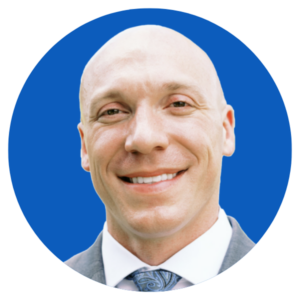
Brian Spear
Founder, Sunrise Capital
Brian helps high-net-worth investors build passive income through real estate syndications and tax-efficient wealth strategies.